

I Want to Know #2
What would happen if we came back to read about aphantasia, kingdoms vs empires, the alphabet and sweet potatoes?

I don’t know if you remember this, but a few years ago, some people came to the internet to talk about the fact that they don’t hear an internal monologue. Everyone was into it, and there were two main reactions to this confession: those who couldn’t even imagine what this feels like, and those who never even knew that some people have an inner voice talking to them all the time. I was part of the first group, and I have to admit I was pretty confused: Are you telling me that these people go about their days without an unreliable narrator playing as background noise? I can’t imagine what that’s like, but I found it quite fascinating. After clicking on some of the tons of articles people were writing about it and doing some light research, I forgot about the topic completely. However, this article
wrote about how some people can’t picture images in their minds brought the whole thing back.If you are reading this and you come across the word “Lipstick” (and you know what a lipstick is, of course), you will imagine one in your head. However, if you don’t, you probably have aphantasia. No, this doesn’t mean you can’t identify a lipstick if you see one, or that you will go to the store to find one just to come with foundation makeup instead. It only means that you can’t form images in your mind just by thinking about a thing. Pretty simple when explained in these terms, right? However, the concept itself is complex and pretty new in the field. In 2003, Dr. Zeman realized that one of the patients had lost his ability to visualize images after a heart surgery, so he started his research. Zeman realized that Francis Galton had studied the whole concept of mental imagery (which refers to the ability of our mind to emulate the things we get to know just with our senses) back in 1880 with a pretty creative study where he asked people to describe their breakfast table, but no one followed his lead until Zeman started his research. He wrote about the case in 2010, but the term aphasia wasn’t even named until 2015. And that’s not it: this can happen with a lot of different aspects of mental imagery, like sound (anauralia), and it can also go in the opposite direction and make people have really vivid visual images (Hyperphantasia), which I think is pretty cool.
I tried to connect these concepts with the main idea I had found some time ago (the one about people not having an inner monologue, which is actually called anendophasia), but it turns out that, even when they look similar to me, we are talking about completely different things. Not having an inner monologue also falls into the whole “weird things about how we all build our sense of self”, but it doesn’t have much to do with the senses, so it is outside the mental imagery category. However, every one of these falls into what can be studied as variations in inner experience, meaning all the different ways in which our brain (or mind?) builds essentially everything we deal with on a daily basis.
There are a lot of things to research about this topic, and I could probably write tons of deeper articles about it, but these are some of the points that caught my attention:
Some researchers, like Hurlburt and Heave, identified five different aspects of inner experience, which include: inner speech (the one I have on 24/7), inner seeing (any mental imagery), unsymbolized thinking (random thoughts without words or images), feelings, and sensory awareness (which only refers to directly experiencing things instead of remembering or imagining them).
The word aphantasia comes from Greek "a" (without) + "phantasia" (imagination), and yeah, it makes sense.
If I come across a quantum physics concept, I expect to be confused and not know anything about it. However, when I see an article on the differences between two terms I have heard a lot of times in my life, and I can’t even list the first ones in the list, well, that hits hard. Yes, a part of me knew that an empire and a kingdom are two different concepts, but could I explain what their differences are? Not at all (hope I’m not the only one). So that’s a good excuse to talk about it for a while.
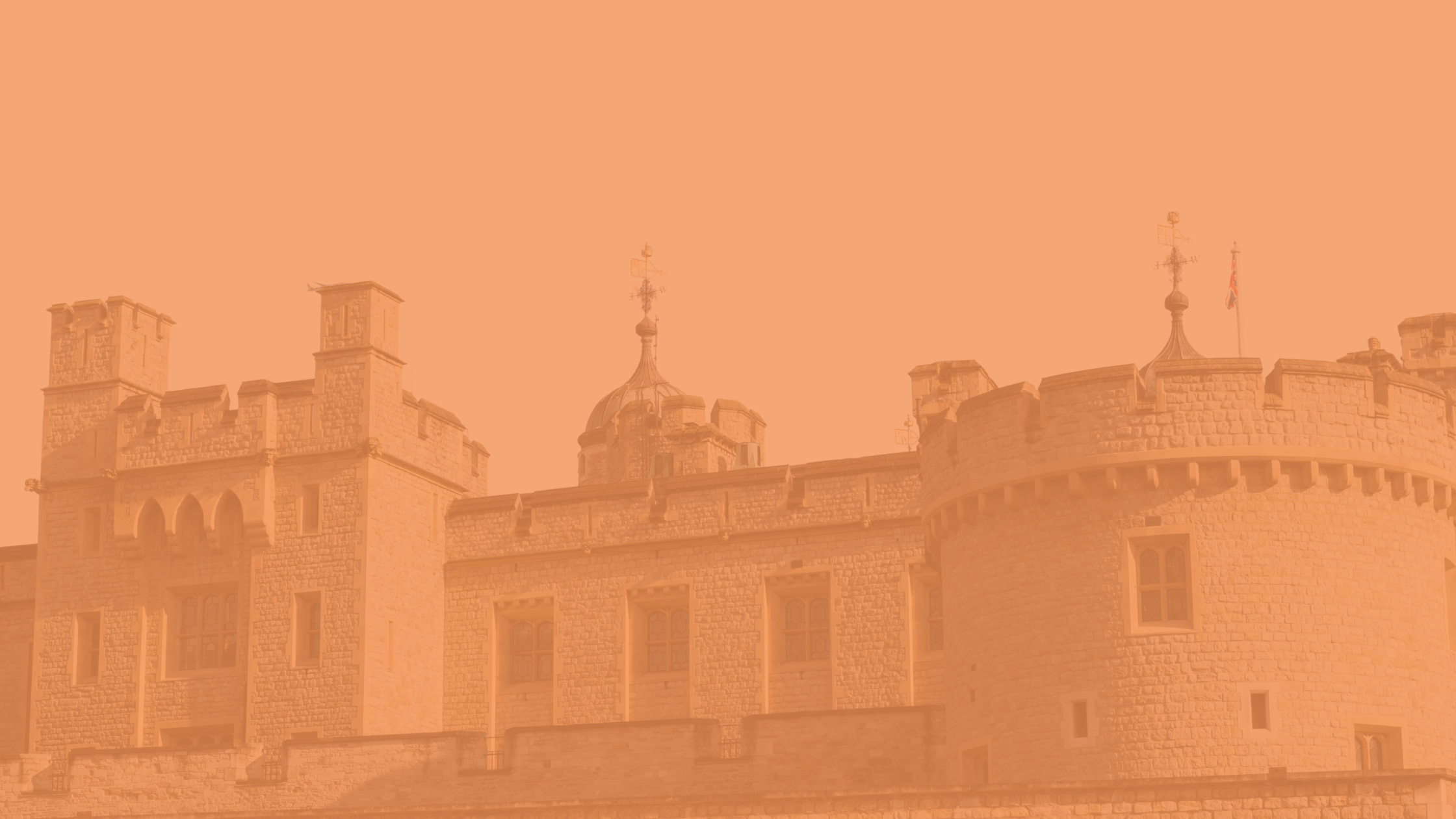
First, let’s start by adding some context: the word “empire” comes from the Latin imperium, which meant something like “supreme power” or “command.” The term first appeared in Ancient Rome with the famous Roman Empire (yes, the one men can’t stop thinking about). Unlike a kingdom, an empire is about taking over a lot of different territories through a lot of different strategies, conquest being one of the most popular ones. Roman leaders used this new term to describe their authority as something that didn’t just cover Romans but extended to wherever they could get their hands on, essentially. “Kingdom,” on the other hand, comes from the Old English cyningdom, which literally means “king’s domain.” The root word cyning (king) comes from the Old Germanic ideas about noble descent and family lines, which means that, from the very beginning, the concept of a kingdom was tied to these values.
So now we have a lot of reasons why empires and kingdoms are clearly different things, but why do people (me mostly) fail to understand their differences? Well, I took some time to read about this, and there are a lot of good reasons behind it that made me feel pretty good about myself:
Both Kingdoms and empires require a monarch. Yes, one has a king and the other one has an emperor, but they both fall under the same category at some point.
Some empires, like the Persian one, started as kingdoms, so this doesn’t help the case. If you have to study a kingdom that later became an empire, you will probably end up mixing the two at some point.
You all should know by now that I love words, but letters? Well, those are really cool as well. What do you mean we have 26 letters and they all can be combined in different ways to let us express anything from superficial things to our deeper feelings? If we think about it for two seconds, it doesn’t make sense at all, but it works regardless (which can be said about almost anything around us). So yes, letters are pretty cool, but I have never dived deeper into how this whole thing started. Why do we learn these letters in a specific order since kindergarten? Has this system always been like that? Well,
shared an article on the history of the alphabet and gave me the perfect excuse to try to answer some of these questions.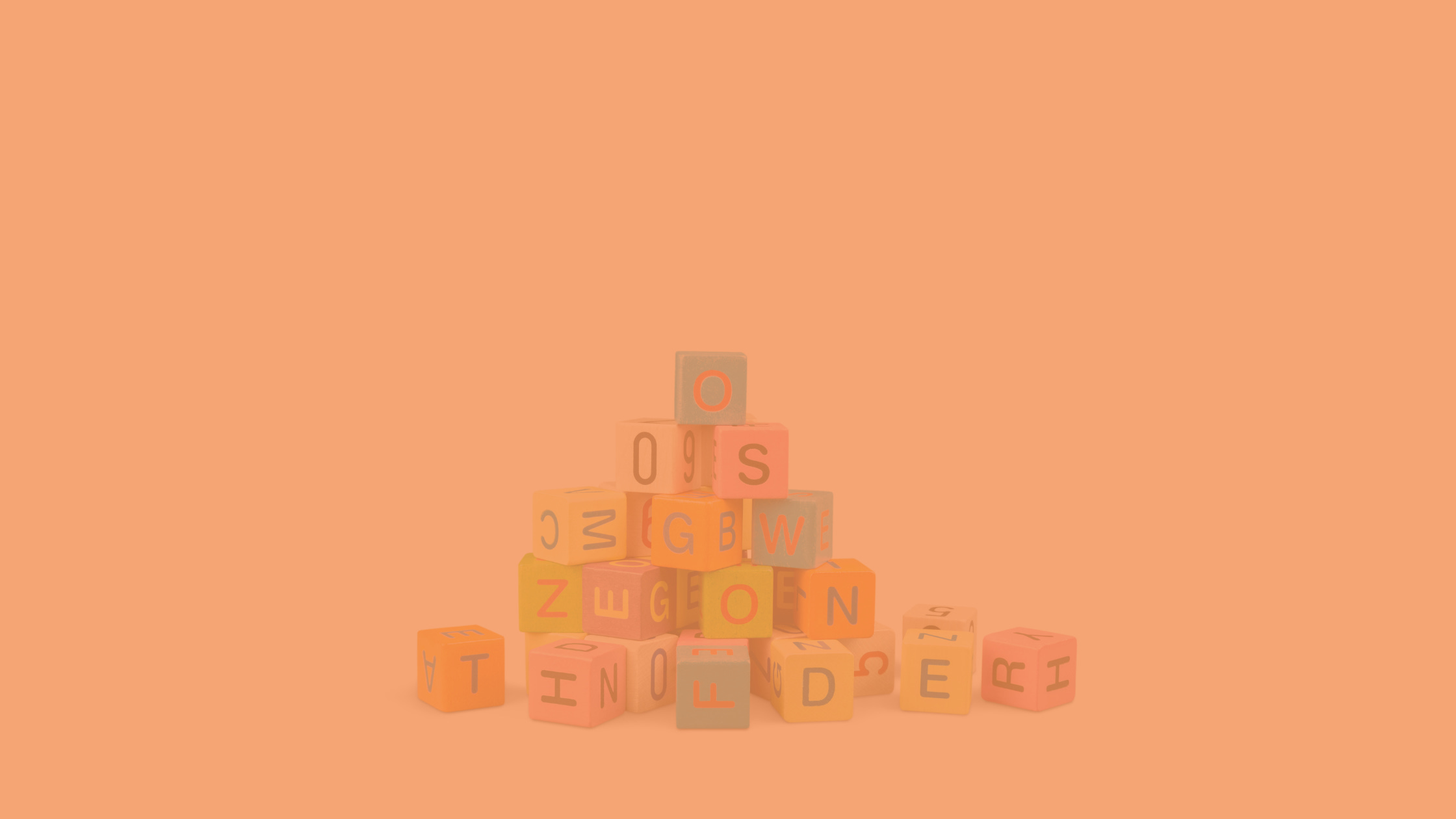
First, let’s define the main concept here: what’s an alphabet? Well, an alphabet is a pretty specific writing system that uses symbols to represent both vowels and consonants (emphasis on both, you will understand why in a bit). English uses the Latin alphabet, but other languages use different ones (which explains why reading Russian or Chinese as an English speaker makes less sense than trying to read in French, for example). This article explains that Egyptian hieroglyphs or Chinese characters, but the journey wasn’t exactly direct or easy to track. First of all, hieroglyphs are not alphabets, mostly because they didn’t do what any alphabet should do, which is use one symbol for each vowel or consonant. The Egyptian system couldn’t be described as an alphabet because it didn’t even represent vowels, but also because it lacked consistency: some elements represented one consonant while others were used for groups of two. Around 1700 BC, the Cannanites (Semitic language speakers) changed the Egyptian system a bit and created what’s known as Proto-Canaanite or Proto-Sinaitic script, which means that the invention of the alphabet was right around the corner (well, maybe not that close, but at least closer). However, this script was abjad, which means that it only had symbols to represent consonants. However, Greeks didn’t like that, so they decided to change the scene. We don’t know much about how this happened, but apparently, they knew that vowels were important and decided to include them in the system, and there it was: the first alphabet. This version was then adapted to use for Etruscan (an ancient Italian language) and, after that, the Romans used it for their own language: Latin.
I’m not sure what happened after that, but I do know that we ended up with almost more than 370 alphabets in use all around the world. However, even that is pretty debatable. A lot of languages use alphabets in their own particular way based on what they need, so if we were to consider each variation as its own unique alphabet, we would be looking at almost 3200 of them. There are a lot of other cool things to learn about alphabets, but these are a few I can’t stop thinking about:
Most alphabets just evolved naturally, but Hangul (Korean) was invented by King Sejong back in the 1400s. Now I want to invent my own alphabet too.
There’s something called a "pangram", which is a sentence that contains all 26 letters of the English alphabet, like: “How quickly daft jumping zebras vex".
The English alphabet didn’t have a J until around the 16th century (it was first another way to write the I)
Until about 1835, there was a 27th letter in the English alphabet: the ampersand (&).
Did you know that sweet potatoes have more sets of chromosomes than humans? We as humans have two sets of chromosomes, but sweet potatoes have six. Six. According to this article I found, scientists are already trying to decode where these six chromosomes come from and even what they can do for the planet, but I had to take a step back. I’m not a scientist, so even when the statement catches my attention and makes me save an article, I have to admit that I don’t even know exactly what it means, so I had to do some research to try to understand the whole thing.
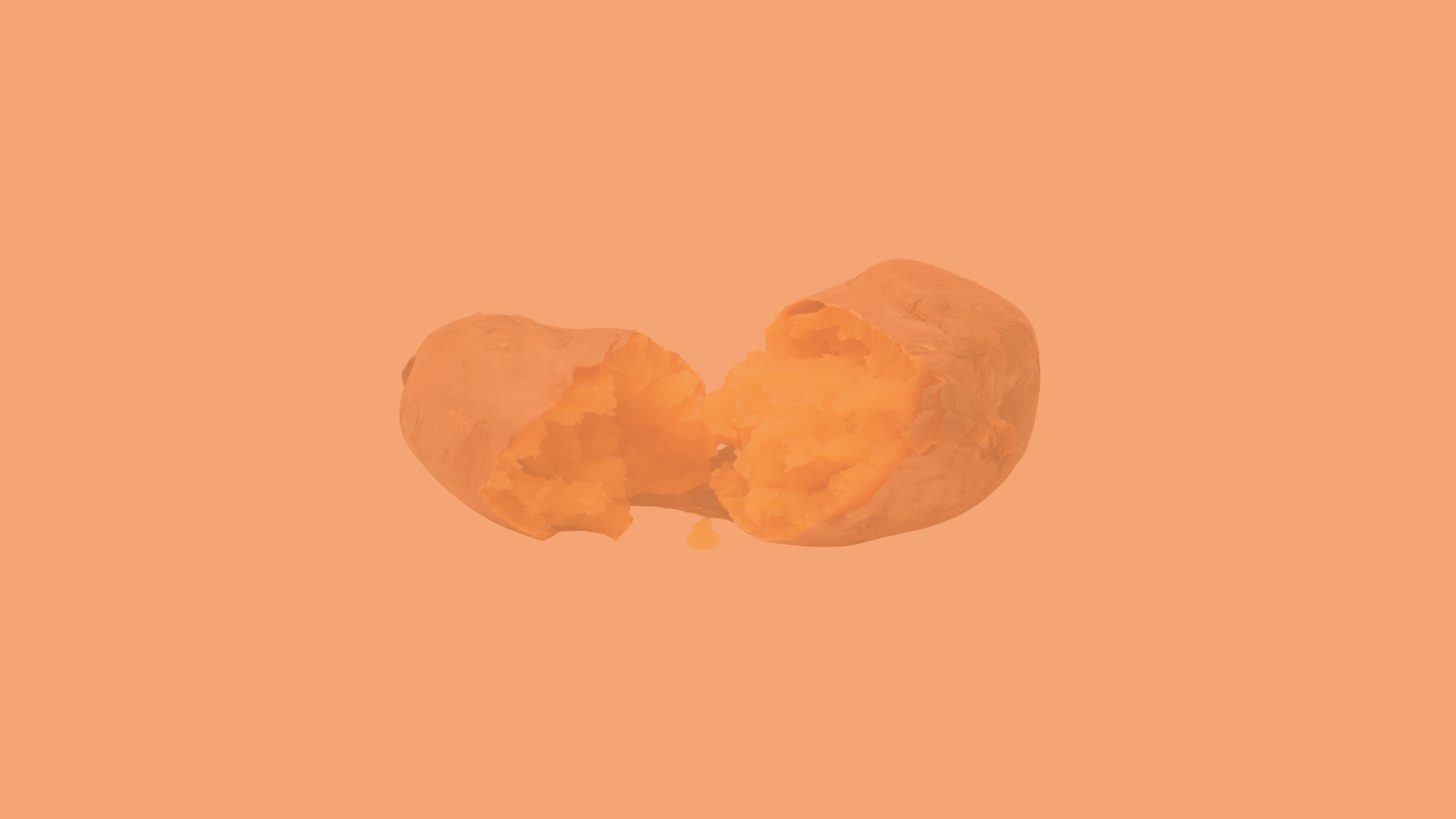
We as humans have two pairs of chromosomes, one from each parent. However, sweet potatoes, for some reason, have six pairs of chromosomes (and no, it is not because they have six parents, but that could make things easier to explain). Sweet potatoes (and a lot of other vegetables) have more pairs of chromosomes because, when their cells divide, some chromosomes accidentally duplicate but without splitting. Humans? Well, we can’t do that, and neither can most animals. This process is known as polyploidy, and that’s what makes sweet potatoes polyploids. So, does this mean that we are not more complex than a sweet potato? Well, not exactly. Having more sets of chromosomes essentially means that these vegetables have more “copies” of all that important information they need to function, which lets them mutate without leaving their essential functioning behind. I would definitely say they are better at multitasking, so I could learn a thing or two from them. These are a few other things I found out about polyploids:
Modern strawberries are octoploid (yes, they have 8 sets of chromosomes). Very competitive if you ask me.
Humans sometimes have polyploid cells, too.
We can eat fluffy bread because modern bread wheat is hexaploid, just like sweet potatoes.
Arabica coffee (which is one of the most common ones out there) is a tetraploid. So I assume a lot of us are having polyploids for breakfast.
So, that’s it for today. Now, come back to some of those saved articles I know you have and tell me how that goes.
I'm so glad this came up on my home page! I really had fun reading it and learning some new things. As a fellow fun facts enthusiast, you said it beautifully, from aphantasia to potatoes! Definitely subscribing and looking forward to more✨
this was such a great read! i can’t wait for more of these✨